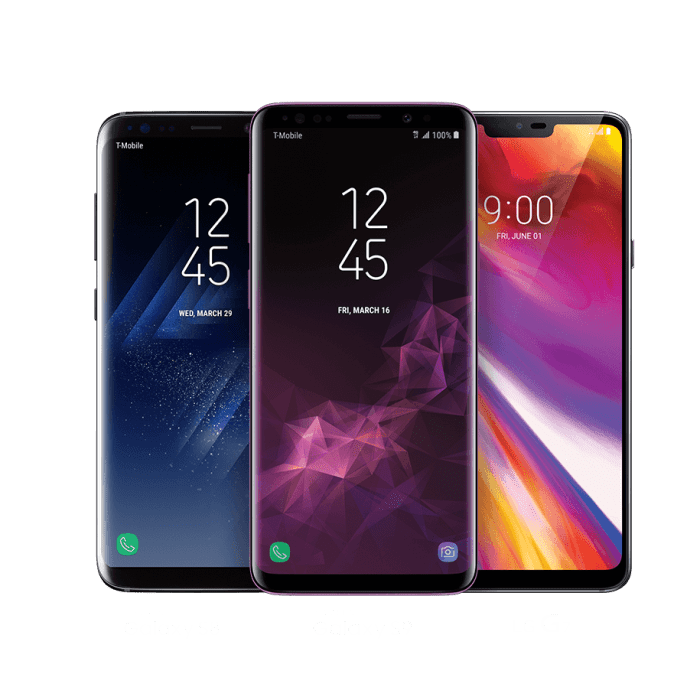
Mobile marketing automation is revolutionizing how businesses connect with their audiences, enabling them to streamline processes and personalize campaigns effectively. As consumers increasingly rely on their mobile devices, the importance of adopting robust automation strategies cannot be overstated.
This powerful tool encompasses a range of features that not only enhance efficiency but also provide insightful data for decision-making, ensuring that marketing efforts resonate with target audiences and drive engagement.
Mobile Marketing Automation Overview

Mobile marketing automation refers to the use of software solutions designed to automate marketing tasks and manage marketing campaigns across mobile platforms. This innovative approach allows businesses to effectively engage with their audience via mobile devices, ensuring timely and personalized communication. In today’s digital landscape, the integration of mobile marketing automation is critical as it helps brands streamline their marketing efforts, enhance customer experiences, and ultimately drive sales.The importance of mobile marketing automation lies in its ability to deliver targeted content and communications at scale.
By leveraging data analytics and user behavior, businesses can send personalized messages, offers, and notifications that resonate with their audience. Key components of effective mobile marketing automation tools include user segmentation, campaign management, analytics, and integration capabilities with other platforms.
Key Components and Features of Mobile Marketing Automation Tools
Understanding the essential features of mobile marketing automation tools is vital for any business looking to enhance its marketing strategies. These tools typically include:
- User Segmentation: The ability to categorize users based on behavior, preferences, and demographics to deliver tailored content.
- Campaign Management: Tools that facilitate the planning, execution, and monitoring of mobile marketing campaigns across various channels.
- Analytics and Reporting: Comprehensive analytics dashboards that provide insights into campaign performance, user engagement, and ROI.
- Integration Capabilities: Seamless integration with other marketing tools and customer relationship management (CRM) systems to ensure a unified approach.
These features empower marketers to optimize their mobile strategies, making it easier to track performance and adapt campaigns in real-time.
Comparison Between Traditional Marketing Methods and Mobile Marketing Automation
Traditional marketing methods often relied on static approaches, such as print advertising, direct mail, and face-to-face interactions. Although these methods can still be effective, they lack the adaptability and real-time engagement offered by mobile marketing automation. The following points highlight the differences:
- Personalization: Traditional methods often use a one-size-fits-all approach, whereas mobile marketing automation allows for personalized communication based on user behavior and preferences.
- Real-Time Engagement: Mobile marketing enables brands to interact with consumers in real-time through push notifications and SMS, fostering immediate engagement.
- Data-Driven Insights: Automation tools provide valuable data analytics, allowing marketers to understand user behaviors and optimize campaigns quickly, unlike the delayed insights in traditional marketing.
- Cost-Effectiveness: Mobile marketing automation can significantly reduce marketing costs by streamlining processes and minimizing the need for large-scale print campaigns.
The shift from traditional marketing methods to mobile marketing automation represents a paradigm shift in how brands communicate with their customers, making it essential for companies to adopt these technologies to remain competitive in today’s market.
Market Research in Mobile Marketing Automation
Market research plays a pivotal role in shaping mobile marketing strategies and campaigns, providing insights into consumer behavior, preferences, and trends within the mobile landscape. By understanding the audience, marketers can create personalized experiences that resonate with users, ultimately driving engagement and conversions. The dynamic nature of mobile technology necessitates a robust approach to research, ensuring campaigns are both relevant and effective.The foundation of successful market research in mobile marketing automation lies in identifying key trends, demographics, and user behaviors.
This process involves collecting and analyzing data from various sources, allowing marketers to tailor their strategies based on informed insights. By focusing on specific aspects of the mobile experience, businesses can enhance their marketing efforts and stay competitive in a fast-paced environment.
Best Practices for Conducting Market Research in Mobile Marketing Automation
To effectively conduct market research in mobile marketing automation, it is crucial to adopt a set of best practices that streamline the process and enhance outcomes. These best practices include:
- Utilizing mobile analytics tools: Invest in reliable mobile analytics platforms that provide real-time data on user engagement, app performance, and customer interactions.
- Conducting surveys and feedback loops: Regularly gather feedback from users through in-app surveys or push notifications to understand their preferences and pain points.
- Emphasizing segmentation: Segment your audience based on demographics, behavior, and preferences to create targeted campaigns that resonate more effectively.
- Monitoring competitor strategies: Analyze competitors’ mobile marketing efforts to identify trends and areas of opportunity for differentiation.
- Testing and iterating: Implement A/B testing for various campaign elements to determine what works best for your target audience and refine accordingly.
Framework for Analyzing Customer Preferences and Behaviors in the Mobile Landscape
A structured framework can effectively analyze customer preferences and behaviors in the mobile landscape. This framework consists of several key components:
1. Data Collection
Gather quantitative and qualitative data through analytics, surveys, and social media insights. This includes app usage statistics, user demographics, and customer feedback.
2. User Persona Development
Create detailed user personas that represent key segments of your audience. Personas should include age, gender, interests, mobile usage patterns, and purchasing behavior.
3. Behavioral Analysis
Examine how customers interact with your mobile platform. Identify which features are most popular, where drop-offs occur, and what triggers user engagement.
4. Trend Identification
Stay updated on emerging trends in mobile technology and user behavior. This might include observing shifts in app usage, mobile payment preferences, or changes in social media engagement.
5. Actionable Insights
Translate the data and analysis into actionable insights that inform your marketing strategies. This may involve adjusting content, modifying app features, or changing communication strategies.
6. Continuous Evaluation
Regularly assess the effectiveness of your marketing campaigns and adapt based on real-time feedback and performance metrics.By following this framework, marketers can gain a deeper understanding of their audience, allowing for more effective mobile marketing automation strategies that align with consumer needs and preferences.
Integration with Other Marketing Tools
Mobile marketing automation has evolved significantly, offering brands the ability to create seamless experiences that blend mobile platforms with other marketing tools. This integration helps marketers to streamline their efforts, ensuring they can deliver cohesive messaging across multiple channels. By leveraging various marketing software, businesses can enhance their mobile strategies and ultimately improve customer engagement and conversion rates.The integration of mobile marketing automation with other marketing tools provides a plethora of advantages.
It allows for a more unified approach to customer data management, enabling businesses to collect, analyze, and utilize consumer insights effectively. For instance, integrating customer relationship management (CRM) systems with mobile marketing automation tools can lead to personalized communication, ensuring customers receive relevant offers and updates based on their past interactions. Additionally, the ability to automate responses and track customer engagement across platforms ensures that marketing teams can execute more efficient campaigns while minimizing manual tasks.
Relationship with Public Relations Efforts
Mobile marketing automation plays a crucial role in enhancing public relations efforts, particularly in today’s fast-paced digital environment. By utilizing mobile channels, businesses can swiftly disseminate information, respond to public inquiries, and manage their brand image proactively. The integration of PR strategies with mobile marketing automation can be illustrated through the following points:
- Real-time Communication: Mobile platforms allow PR teams to communicate timely updates, such as press releases or crisis management responses, directly to stakeholders and the public.
- Enhanced Engagement: By utilizing mobile-friendly content, businesses can foster greater engagement with their audience, creating a two-way communication channel that enhances brand loyalty.
- Analytics and Feedback: Mobile marketing automation tools enable PR teams to track audience reactions and sentiment through analytics, providing valuable insights for future campaigns.
Impact of Telemarketing Strategies
Telemarketing strategies can significantly influence the effectiveness of mobile marketing automation. The integration of these two approaches allows businesses to create a holistic marketing strategy that leverages the strengths of both channels. When telemarketing is combined with mobile marketing automation, several important outcomes emerge:
- Lead Generation: Telemarketing can serve as an effective lead generation tool, providing initial contact that mobile marketing automation can then nurture through targeted messaging.
- Follow-Up Opportunities: Automated follow-ups via SMS or email can be triggered based on telemarketing interactions, ensuring that interested prospects receive timely information.
- Personalized Communication: Insights gathered from telemarketing calls can be incorporated into mobile marketing efforts, allowing for more personalized and relevant messaging that resonates with potential customers.
End of Discussion
In conclusion, embracing mobile marketing automation is essential for any business aiming to thrive in today’s digital landscape. By leveraging its capabilities, companies can stay ahead of the curve, deliver tailored experiences, and maximize their marketing impact efficiently.
User Queries
What is mobile marketing automation?
Mobile marketing automation refers to the use of software to automate marketing tasks and campaigns specifically targeted at mobile users.
How does mobile marketing automation improve engagement?
It enhances engagement by delivering personalized and timely messages directly to users’ mobile devices based on their preferences and behaviors.
Can mobile marketing automation work with other marketing strategies?
Yes, it integrates seamlessly with various marketing tools and strategies, enhancing overall campaign effectiveness.
What are the benefits of using mobile marketing automation?
The benefits include increased efficiency, improved targeting, better customer insights, and higher conversion rates.
Is mobile marketing automation suitable for small businesses?
Absolutely, it can be tailored to fit the needs of small businesses, helping them compete in the digital space.


