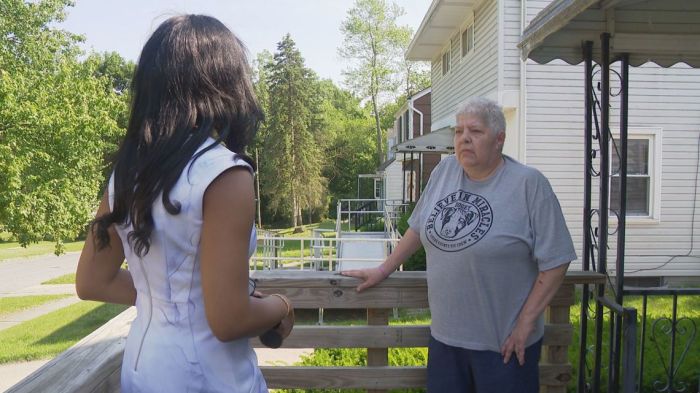
Media training for executives is essential in today’s fast-paced, media-driven world where clear communication can make or break a company’s reputation. This training equips leaders with the tools and confidence they need to navigate interviews, press conferences, and public appearances, ensuring their messages resonate effectively with audiences. As executives face increasing scrutiny from the media and public, mastering the art of communication becomes a crucial aspect of their role, ultimately influencing their organization’s success.
Effective media training encompasses several core elements, including techniques for refining messaging, understanding non-verbal cues, and integrating these skills with marketing and public relations strategies. By analyzing successful case studies, executives can identify best practices that will enhance their media interactions and foster a positive public image for their organization.
Media Training Essentials
Media training for executives is crucial in today’s fast-paced information age. Executives often serve as the face of their organizations, making it imperative that they communicate effectively and confidently with the media. Strong media interactions can enhance a company’s reputation, while poor handling can lead to misunderstandings and negative publicity. By investing in media training, organizations equip their leaders with the skills needed to navigate interviews, press conferences, and public speaking engagements.Key components of effective media training programs focus on several areas that contribute to an executive’s success in media interactions.
These programs should not only cover techniques for message delivery but also emphasize the importance of understanding the media landscape, preparing for difficult questions, and managing crises.
Key Components of Media Training
A comprehensive media training program includes various essential elements that can significantly enhance an executive’s performance. Here are some foundational components:
- Message Development: Crafting clear, concise, and compelling messages is paramount. Training should aid executives in articulating their main points effectively.
- Interview Techniques: Executives should learn how to engage with journalists, handle tough questions, and stay on message, regardless of the interview’s direction.
- Body Language and Presence: Non-verbal communication can be just as powerful as verbal messages. Training often includes practice sessions where executives can refine their body language and overall presence.
- Media Landscape Understanding: Familiarity with different types of media and their unique demands helps executives tailor their messages appropriately for various platforms.
- Crisis Communication: Executives should be equipped to respond swiftly and effectively during crises, maintaining their organization’s reputation under pressure.
Successful media training programs often yield significant improvements in how executives handle media interactions. For instance, a notable case study involves the CEO of a major tech company who faced scrutiny during a product launch that did not meet public expectations. Through targeted media training, the executive learned to address concerns transparently while highlighting the company’s commitment to improvement. As a result, the subsequent media coverage shifted from negative to more balanced perspectives, showcasing the company’s innovative spirit and dedication to customer satisfaction.Another example can be seen in a healthcare organization navigating a scandal related to patient misinformation.
The executive team underwent media training to prepare for a series of press conferences and interviews. They developed key messages focused on accountability and patient care, resulting in a significant recovery of public trust and positive media coverage once the crisis was managed.
“Effective media training equips executives with the tools to turn potential challenges into opportunities for showcasing their leadership and vision.”
Strategies for Effective Communication
Effective communication is a cornerstone of successful leadership, especially for executives facing media scrutiny. It is essential to develop strategies that not only enhance messaging but also ensure clarity and impact. In this section, we will explore techniques that empower executives to deliver messages that resonate with their audience. This includes understanding the importance of non-verbal cues and preparing for high-stakes press conferences.
Techniques for Enhancing Messaging
To communicate effectively, executives must adopt specific techniques that clarify their intent and engage their audience. These techniques include being concise, using clear language, and crafting messages that align with the organization’s values. Executives should aim to distill complex ideas into simple, digestible points.
- Know Your Audience: Tailoring messages according to the audience’s interests and level of understanding enhances engagement.
- Use Storytelling: Incorporating narratives can make messages more relatable and memorable, helping to illustrate key points effectively.
- Practice Active Listening: Engaging with feedback and questions during discussions allows for a more dynamic communication flow.
Non-Verbal Communication Skills
Non-verbal communication plays a critical role in how messages are received. Executives must be aware of their body language, facial expressions, and tone of voice, as these elements can significantly influence perceptions. For instance, maintaining eye contact conveys confidence and sincerity, while an open posture invites engagement.
- Body Language Awareness: Executives should be mindful of their movements and gestures, ensuring they align with the spoken message.
- Facial Expressions: A genuine smile or appropriate expression can help establish rapport and trust with the audience.
- Vocal Variety: Modulating tone, pitch, and pace can emphasize key points and maintain audience interest.
Framework for Preparing for Press Conferences
Preparation is key to navigating press conferences successfully. Executives should follow a structured framework to deliver their messages effectively and handle inquiries confidently. This involves anticipating questions, rehearsing key messages, and understanding the press landscape.
- Message Clarity: Establishing clear, concise key messages that communicate the core points an executive wishes to convey is essential.
- Q&A Preparation: Anticipating potential questions and formulating thoughtful responses ensures readiness for media interaction.
- Rehearsal: Conducting mock press conferences with colleagues can help in refining delivery and boosting confidence.
Integration with Marketing and Public Relations
In today’s fast-paced business environment, integrating media training with marketing and public relations efforts is crucial for executives. This alignment ensures that the messaging is consistent across all platforms, enhancing brand reputation and reinforcing key messages in public interactions. Media training should be designed to complement the overarching marketing strategy, providing executives with the tools they need to communicate effectively with various stakeholders.Aligning media training with public relations efforts involves creating a cohesive strategy that emphasizes consistent messaging and appropriate tone.
Executives should be trained to respond to media inquiries in a way that reflects the key narratives of the organization. This alignment requires collaboration between the media trainers and PR teams to identify the core messages and ensure that all training materials are tailored to support these goals.
Methods for Aligning Media Training with Public Relations Efforts
To successfully integrate media training with public relations, organizations can implement several methods that enhance consistency and messaging clarity. These methods may include:
- Joint Workshops: Conduct workshops that involve both media trainers and PR professionals. This fosters collaboration and allows for real-time feedback on messaging.
- Message Development Sessions: Facilitate sessions to develop key messages that will be used in media interactions. This ensures that executives are well-versed in the organization’s narrative.
- Regular Updates: Schedule regular check-ins between media trainers and PR teams to keep training materials aligned with any shifts in the marketing strategy.
The importance of these methods lies in their ability to create a unified front, ensuring that all communications reflect the brand’s values and objectives while also preparing executives for media engagement.
Comparison of Marketing Software Tools Supporting Media Training
In enhancing media training, various marketing software tools provide support to streamline processes and improve effectiveness. A comparison of these tools highlights their functionalities and how they can aid in media training:
| Software Tool | Key Features | Benefits |
|---|---|---|
| HubSpot | CRM integration, reporting, email tracking | Facilitates alignment between PR efforts and media outreach. |
| Hootsuite | Social media management, scheduling, analytics | Enhances communication strategy and preparedness for social media interactions. |
| Sprinklr | Unified customer experience, social listening, analytics | Provides insights into audience perceptions, helping tailor media approaches. |
These tools offer capabilities that not only support media training but also help in maintaining a consistent message across channels.
Role of Market Research in Tailoring Media Training Sessions
Market research plays a pivotal role in customizing media training sessions according to audience needs and trends. By analyzing data regarding target demographics, competitors, and industry trends, organizations can design training that is relevant and impactful. Key aspects of market research that inform media training include:
- Audience Analysis: Understanding the preferences and behaviors of the target audience ensures that executives can tailor their messaging effectively.
- Competitor Benchmarking: Analyzing how competitors engage with media can help identify best practices and areas for improvement.
- Trend Identification: Staying informed about current industry trends allows executives to communicate knowledgeably about relevant topics.
Integrating market research into media training ensures that sessions are not only educational but also strategically aligned with the organization’s objectives and market dynamics.
Final Conclusion
In conclusion, investing in media training for executives not only sharpens their communication skills but also strengthens their ability to represent their organization in a compelling manner. As organizations continue to operate in a complex media landscape, equipping leaders with the right tools to engage with the media will be instrumental in shaping public perception and driving future success. The insights gained from media training can empower executives to lead with confidence and clarity, ultimately benefiting their organizations and stakeholders alike.
Popular Questions
What is the primary goal of media training for executives?
The primary goal is to enhance executives’ communication skills, enabling them to convey messages clearly and effectively to various audiences.
How long does a typical media training session last?
Sessions can range from a few hours to several days, depending on the depth of training and specific needs of the executives.
Who conducts media training for executives?
Media training is typically conducted by communication experts, public relations professionals, or specialized training organizations with experience in media interactions.
Can media training help with crisis management?
Yes, media training equips executives with strategies to effectively manage communication during crises, ensuring they respond appropriately and maintain their organization’s reputation.
Is media training a one-time event or ongoing process?
Media training should be an ongoing process, as skills need to be refreshed and adapted to changing media landscapes and communication trends.


