
Marketing analytics software is revolutionizing how businesses understand their audience, enabling them to make data-driven decisions that enhance their overall marketing strategies.
With powerful features ranging from real-time data tracking to predictive analytics, this software provides invaluable insights into consumer behavior, campaign performance, and market trends, helping companies stay ahead of the competition.
Overview of Marketing Analytics Software
Marketing analytics software has become an essential tool for businesses seeking to optimize their marketing efforts and maximize return on investment (ROI). In today’s data-driven world, organizations need to harness insights from various marketing channels to make informed decisions. This type of software helps businesses track, analyze, and interpret marketing data, leading to more effective strategies and improved customer engagement.The significance of marketing analytics software lies in its ability to convert raw data into actionable insights.
By utilizing these tools, marketers can identify trends, measure campaign performance, and understand customer behaviors. This empowers organizations to refine their marketing strategies and allocate resources more effectively. Not only does this software streamline reporting processes, but it also enhances collaboration among teams by providing a centralized platform for data analysis.
Main Features and Functionalities
When exploring marketing analytics software, users should expect several key features and functionalities that cater to their analytical needs. These capabilities allow businesses to derive meaningful insights from their marketing data.
- Data Integration: The ability to consolidate data from multiple sources, including social media, email campaigns, and website analytics, is crucial. This feature ensures a holistic view of marketing performance.
- Real-Time Reporting: Providing instantaneous insights and performance metrics helps businesses make timely decisions. Real-time reporting allows marketers to pivot strategies as needed based on current data.
- Segmentation and Targeting: Enhanced targeting capabilities through audience segmentation allow marketers to tailor campaigns specific to different customer groups, leading to more personalized marketing efforts.
- Attribution Modeling: Understanding which marketing channels contribute to conversions is vital. Attribution modeling helps businesses evaluate the effectiveness of channel investments and optimize their marketing mix.
- Predictive Analytics: Utilizing historical data to forecast future trends enables businesses to anticipate customer behavior and tailor their marketing strategies accordingly.
Comparative Analysis of Popular Marketing Analytics Software Platforms
A variety of marketing analytics software platforms are available in the market, each offering unique features and advantages. Here’s a comparative analysis of some of the leading tools.
| Platform | Main Features | Best For |
|---|---|---|
| Google Analytics | Comprehensive web analytics, real-time data tracking, integration with Google Ads. | Website performance analysis. |
| HubSpot | Inbound marketing tools, CRM integration, lead tracking, and nurturing. | Companies focused on inbound marketing strategies. |
| Adobe Analytics | Advanced segmentation, predictive analytics, customizable reports. | Large enterprises with complex analytics needs. |
| Kissmetrics | Customer behavior tracking, funnel analysis, cohort analysis. | Understanding customer journeys and retention. |
| Mixpanel | Event tracking, user engagement metrics, A/B testing capabilities. | Product teams looking to analyze user interactions. |
By comparing these platforms, businesses can choose the marketing analytics software that aligns with their specific goals and needs. Understanding the unique offerings of each tool is crucial for leveraging data effectively and improving marketing outcomes.
Integration with Market Research
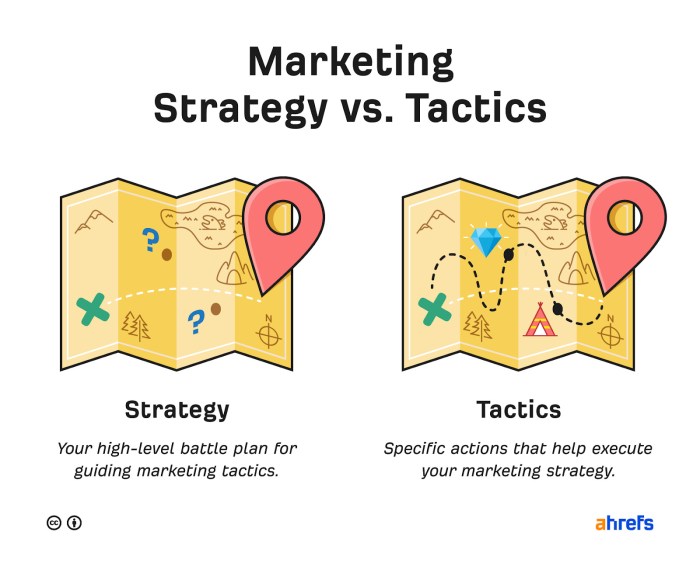
Marketing analytics software plays a crucial role in enhancing market research efforts by providing robust data analysis capabilities that allow businesses to make informed decisions. These tools enable companies to collect, analyze, and interpret vast amounts of data from various sources, leading to deeper insights into consumer behavior, market trends, and competitive landscapes. By integrating market research with analytics, organizations can maximize their understanding of the market, leading to more effective marketing strategies.The use of marketing analytics software to gather consumer insights is increasingly prevalent across industries.
Companies can leverage these tools to analyze customer feedback, purchase behaviors, and demographic data, allowing them to tailor their offerings to meet consumer needs. For example, a retail brand might employ analytics software to monitor social media sentiment and online reviews, identifying areas for improvement in product offerings and customer service. By analyzing this data side-by-side with traditional market research, such as surveys and focus groups, businesses can achieve a comprehensive view of their target audience.
Methods for Integrating Market Research Data with Marketing Analytics
Combining traditional market research data with marketing analytics can significantly enhance decision-making processes. Here are several effective methods for achieving this integration:
1. Data Consolidation Platforms
Utilizing platforms that aggregate various data sources enables marketers to view both quantitative and qualitative insights in a single dashboard. This helps in identifying trends and patterns that may not be apparent when analyzing data in silos.
2. Cross-Channel Analytics
By integrating data from various marketing channels (e.g., email, social media, paid ads) along with market research findings, businesses can gain a more holistic understanding of customer interactions and preferences.
3. Real-Time Data Analysis
Marketing analytics software often provides real-time data processing capabilities, allowing businesses to respond swiftly to market changes. For instance, a brand can quickly pivot its strategy based on immediate feedback from a recent campaign survey.
4. Predictive Analytics
Many analytics tools offer predictive modeling functions that can forecast consumer behavior based on historical data combined with ongoing market research insights. This can help businesses anticipate trends and make proactive adjustments to their marketing strategies.
5. A/B Testing Integration
By applying insights from market research to A/B testing scenarios, companies can refine their marketing messages, offer designs, and promotional strategies based on what resonates most with their audience.
“Integrating market research data with analytical insights equips businesses to navigate the complexities of consumer behavior effectively.”
These methods not only streamline the decision-making process but also empower marketers to create more personalized and effective campaigns that resonate with their target audience. By harnessing the full potential of marketing analytics in tandem with market research, businesses position themselves for success in an increasingly competitive landscape.
Role in Marketing Software Ecosystem
Marketing analytics software plays a pivotal role in the marketing software ecosystem by acting as the backbone for data-driven decision-making. It seamlessly integrates with various marketing tools to provide insights that inform strategies, optimize campaigns, and enhance customer engagement. As businesses strive for efficiency and effectiveness in their marketing efforts, understanding this relationship is crucial for leveraging the full potential of the marketing technology stack.The interaction between marketing analytics software and other marketing tools is essential for developing a cohesive strategy.
Different components within the marketing ecosystem, such as customer relationship management (CRM) systems, content management systems (CMS), email marketing platforms, and social media management tools, collect various types of data. Marketing analytics software aggregates this data, turning raw information into actionable insights. This synergy enables marketers to track performance metrics, refine targeting, and measure the effectiveness of their campaigns.
Integration with Marketing Tools
The integration of marketing analytics software with other marketing tools is fundamental for creating a streamlined workflow. This interconnectedness allows for the sharing of data across platforms, enabling marketers to have a holistic view of their efforts. Below are key marketing tools that benefit from integration with analytics software:
- CRM Systems: By integrating CRM systems with marketing analytics, businesses can analyze customer behavior and preferences, leading to personalized marketing strategies.
- Email Marketing Platforms: Analytics software evaluates email campaign performance, allowing marketers to optimize subject lines and content based on open and click-through rates.
- Social Media Management Tools: Integration with social media platforms enables the tracking of engagement metrics, helping marketers adjust their social strategies in real-time.
- Content Management Systems: Marketing analytics can assess which types of content drive the most engagement, guiding content creation and curation efforts.
Understanding the relationship among these tools creates a more effective marketing ecosystem. When data flows smoothly between components, marketers can make informed decisions that enhance strategy and execution.
“Analytics transforms data into actionable insights, allowing businesses to refine their marketing strategies and enhance customer engagement.”
Impact on Public Relations and Telemarketing Strategies
Marketing analytics software significantly influences strategies in public relations (PR) and telemarketing efforts. By leveraging data, organizations can craft targeted campaigns that resonate with their audience, ultimately driving better results. The following points highlight how analytics inform these strategies:
- Public Relations: Analytics helps PR teams identify trends and audience sentiments, allowing for tailored messaging that aligns with public perception. By measuring media coverage and social media engagement, PR professionals can adjust their tactics to reinforce positive narratives.
- Telemarketing: Data-driven insights enable telemarketers to segment their audience effectively, ensuring that their pitches reach the right individuals. By analyzing past call data and response rates, teams can refine their scripts and optimize timing for maximum impact.
- Campaign Performance Tracking: Both PR and telemarketing campaigns benefit from real-time analytics, allowing teams to assess the effectiveness of their initiatives and pivot strategies as necessary. This adaptability is crucial in fast-paced marketing environments.
- Audience Engagement Measurement: By utilizing analytics tools, organizations can measure the engagement levels of their PR and telemarketing efforts, allowing them to identify what works and what doesn’t, ultimately driving improved ROI.
In conclusion, the role of marketing analytics software within the marketing software ecosystem is indispensable. By integrating with various tools and informing strategies in public relations and telemarketing, analytics not only enhances marketing effectiveness but also fosters a culture of data-driven decision-making.
Conclusion
In conclusion, the integration of marketing analytics software into business operations not only streamlines marketing efforts but also empowers organizations with the tools they need to make informed decisions, ultimately driving growth and success in an ever-evolving market landscape.
Top FAQs
What is marketing analytics software used for?
It is used to analyze data from marketing efforts to optimize strategies and improve ROI.
How does it benefit small businesses?
Marketing analytics software helps small businesses identify trends, understand customer behavior, and allocate resources efficiently.
Can marketing analytics software integrate with other tools?
Yes, many platforms offer integration with CRM systems, social media, and email marketing tools for comprehensive insights.
Is it easy to learn marketing analytics software?
Most marketing analytics software is designed to be user-friendly, with tutorials and support available for beginners.
What metrics can marketing analytics software track?
It can track various metrics such as website traffic, conversion rates, customer engagement, and campaign performance.


